A story of pursuit, service, love, settlement, grief, and the long roads between fathers and sons
These images belong to the visual atmosphere behind The Road That Ends. The captions below are story-grounded scene notes drawn from the world of the novel: John Beard on the road, war and its cost, settlement in the Greenbrier, the making and inheritance of Beard’s Mill, the search for Edwin, Thomas at the end of his life, and the fragile moments of love and home that stand against loss.
Book Two follows John Beard from youth into burdened manhood — through departure, service, pursuit, settlement, inheritance, and the roads that seem always to lead him toward another reckoning.
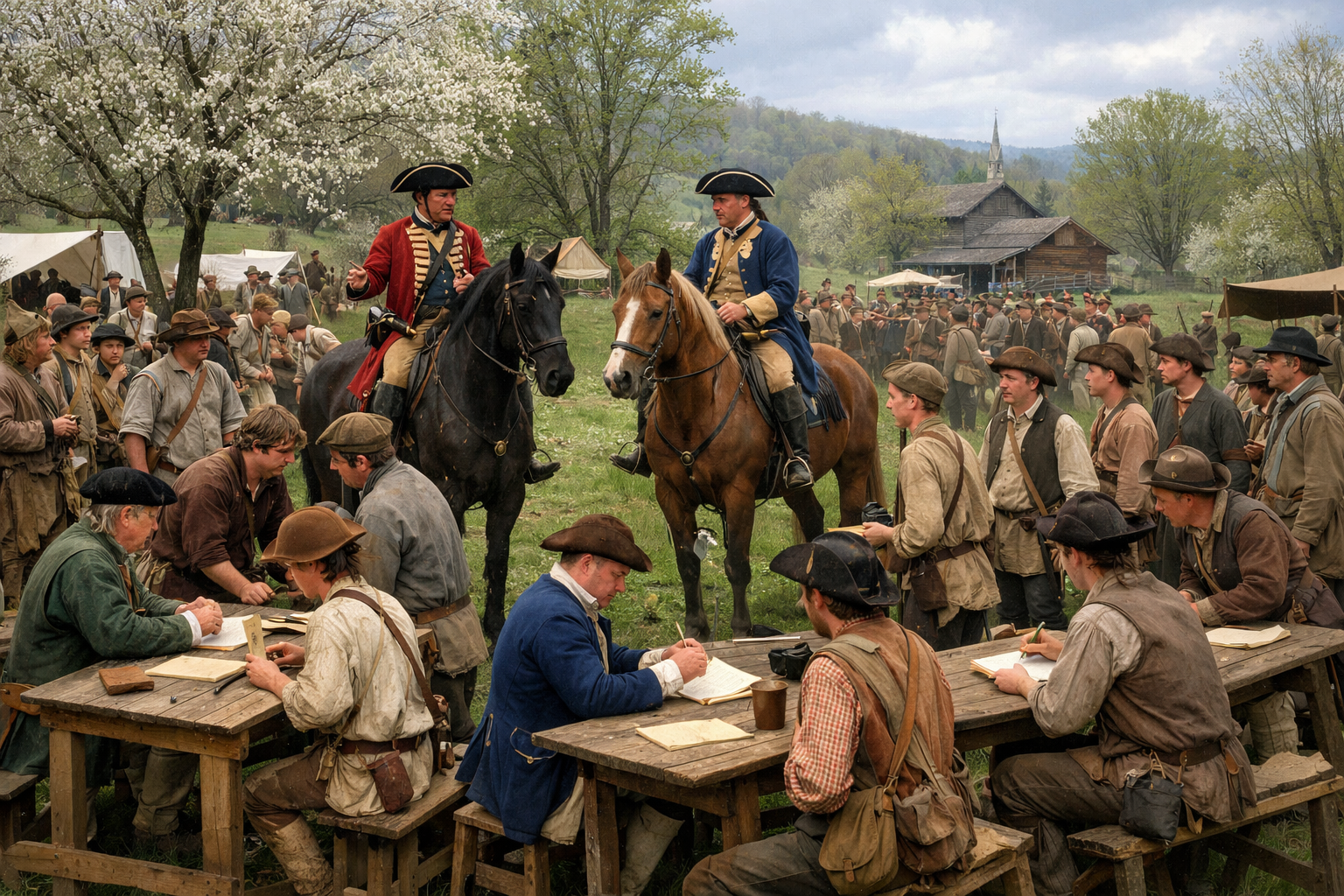
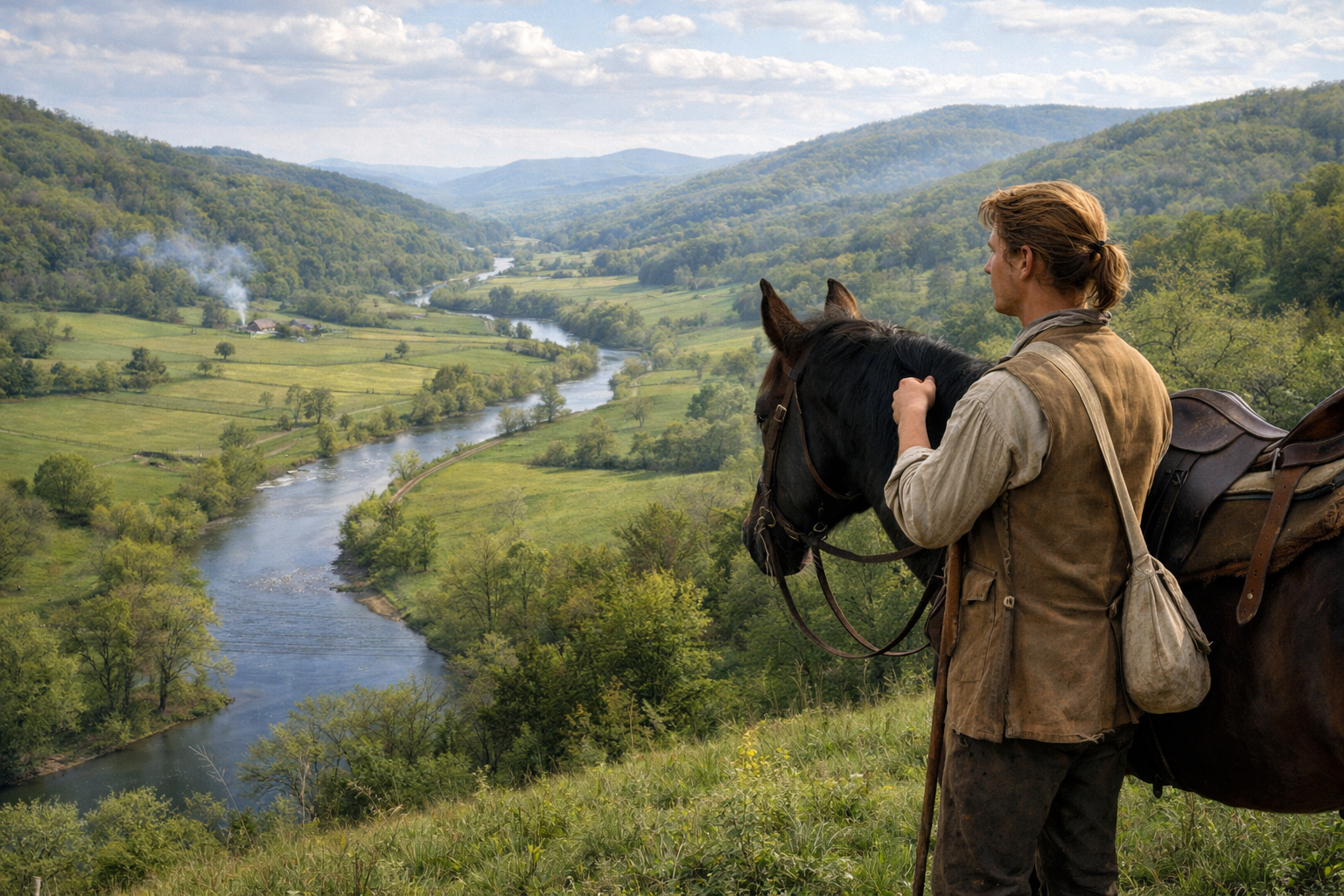
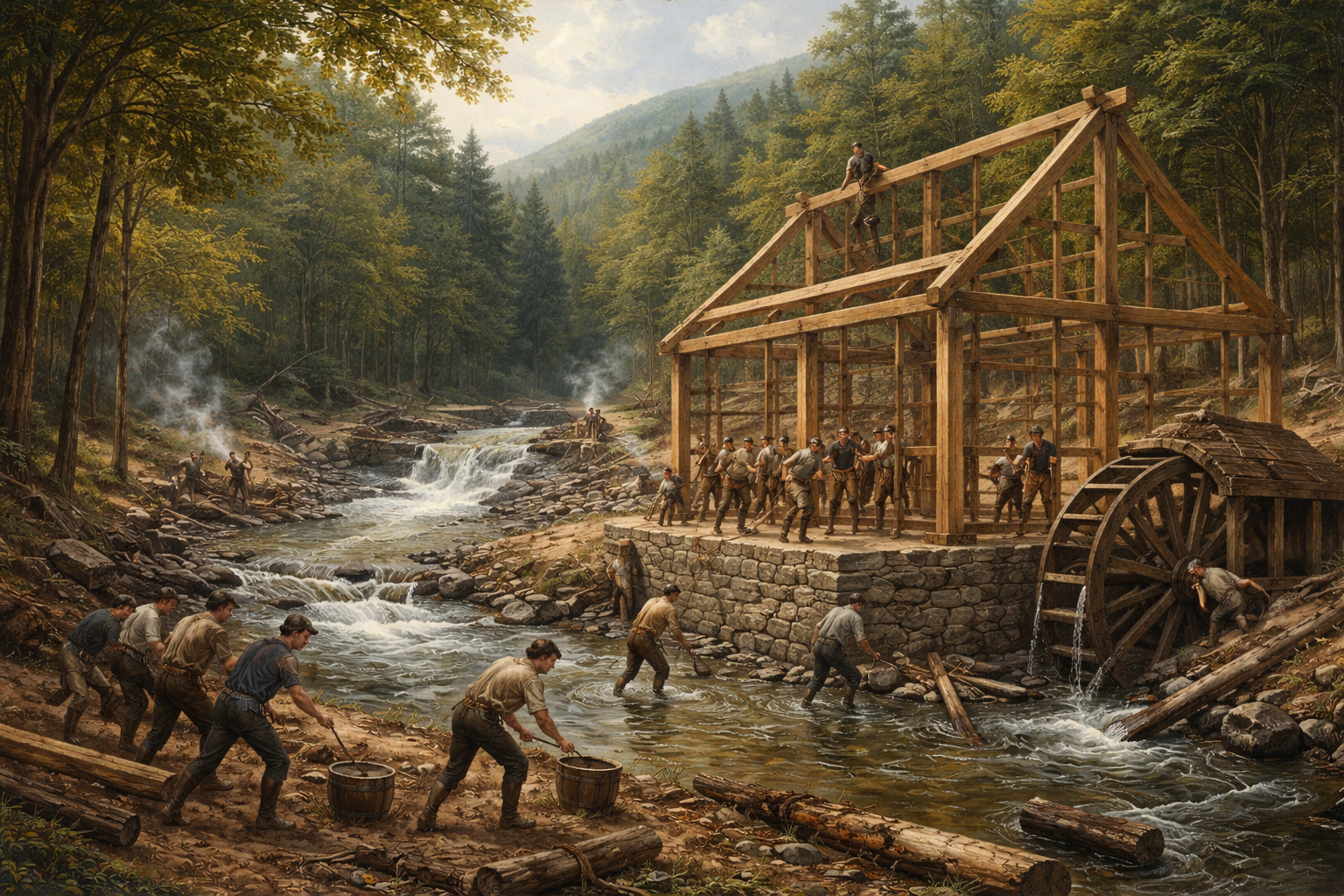
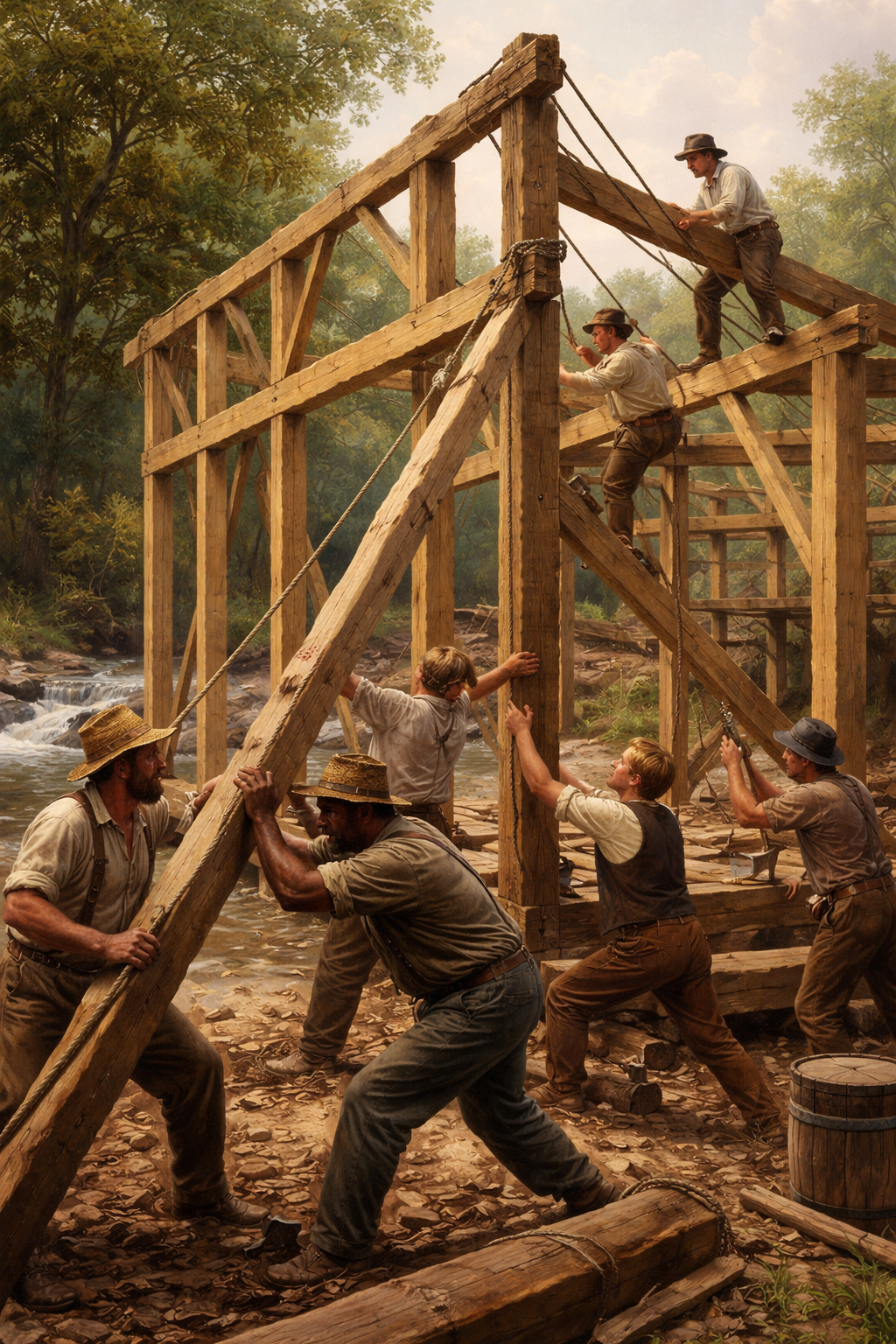
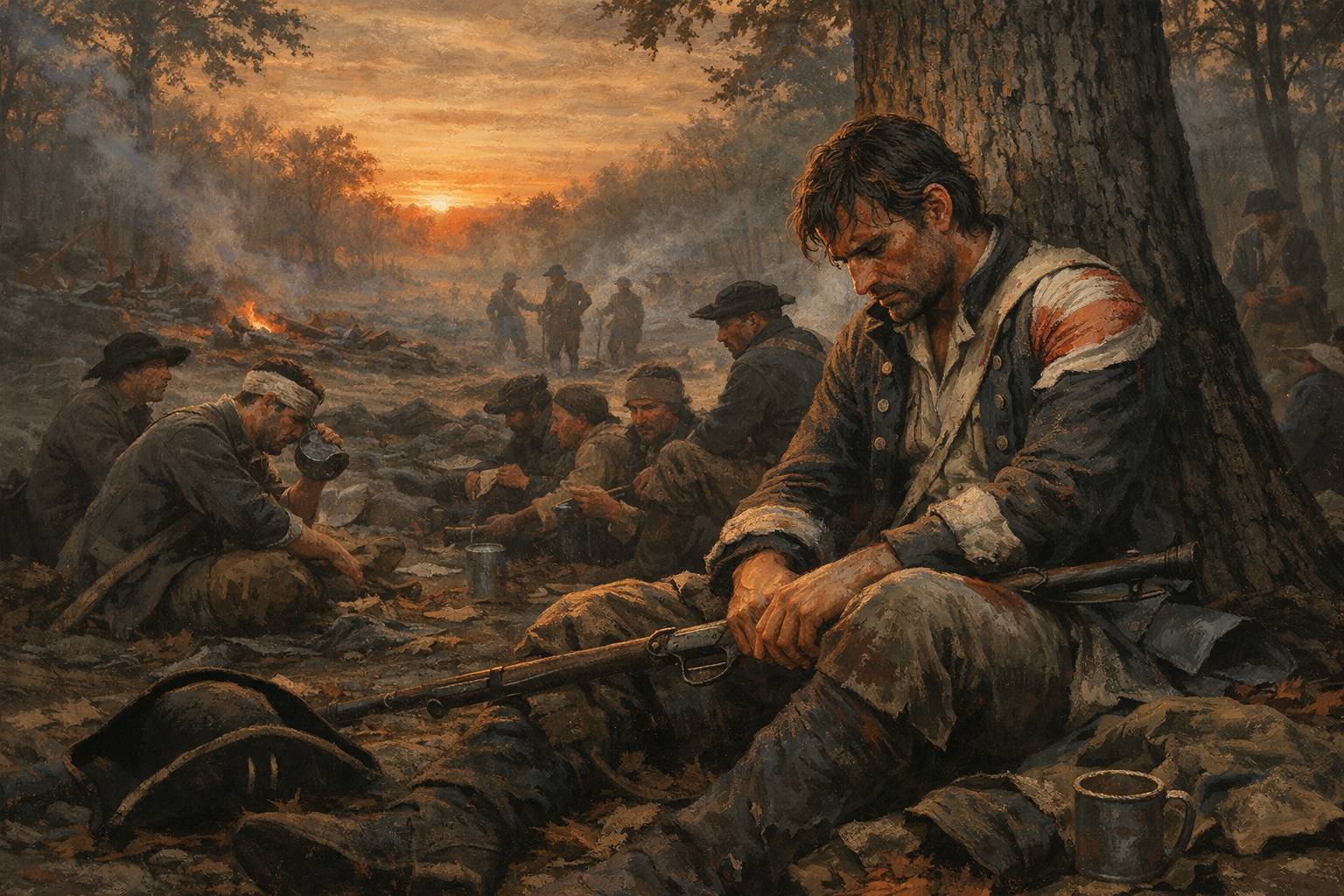
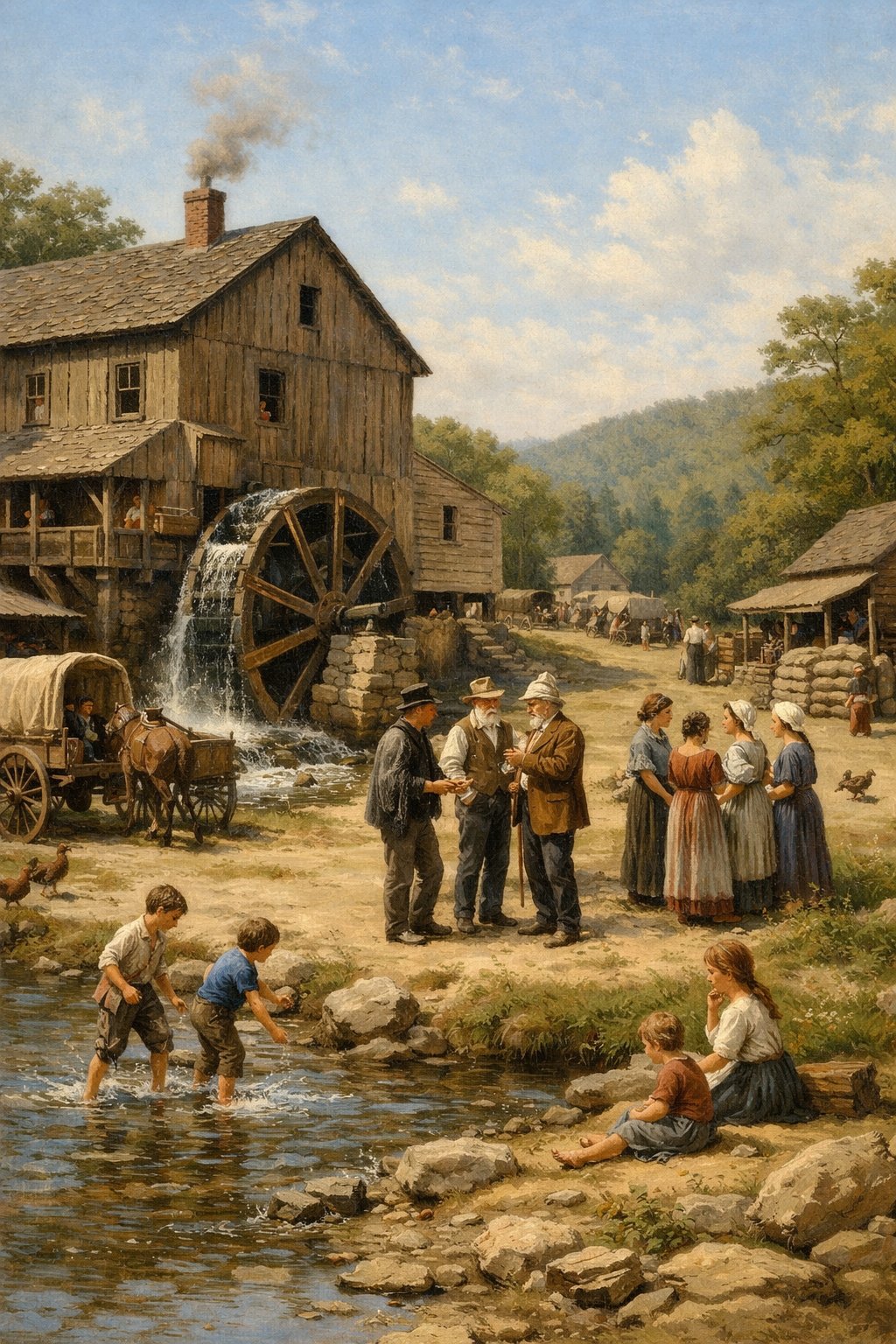
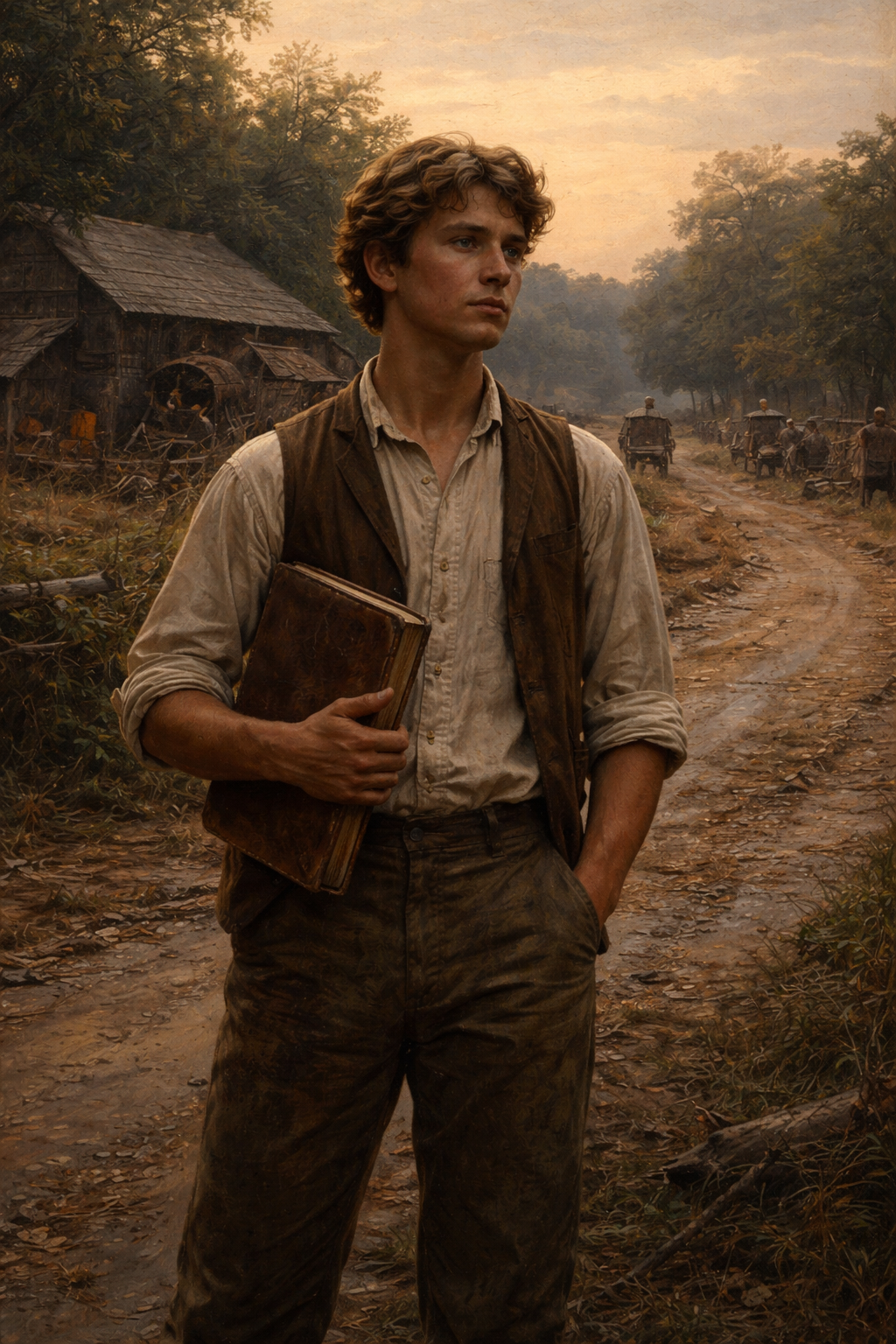
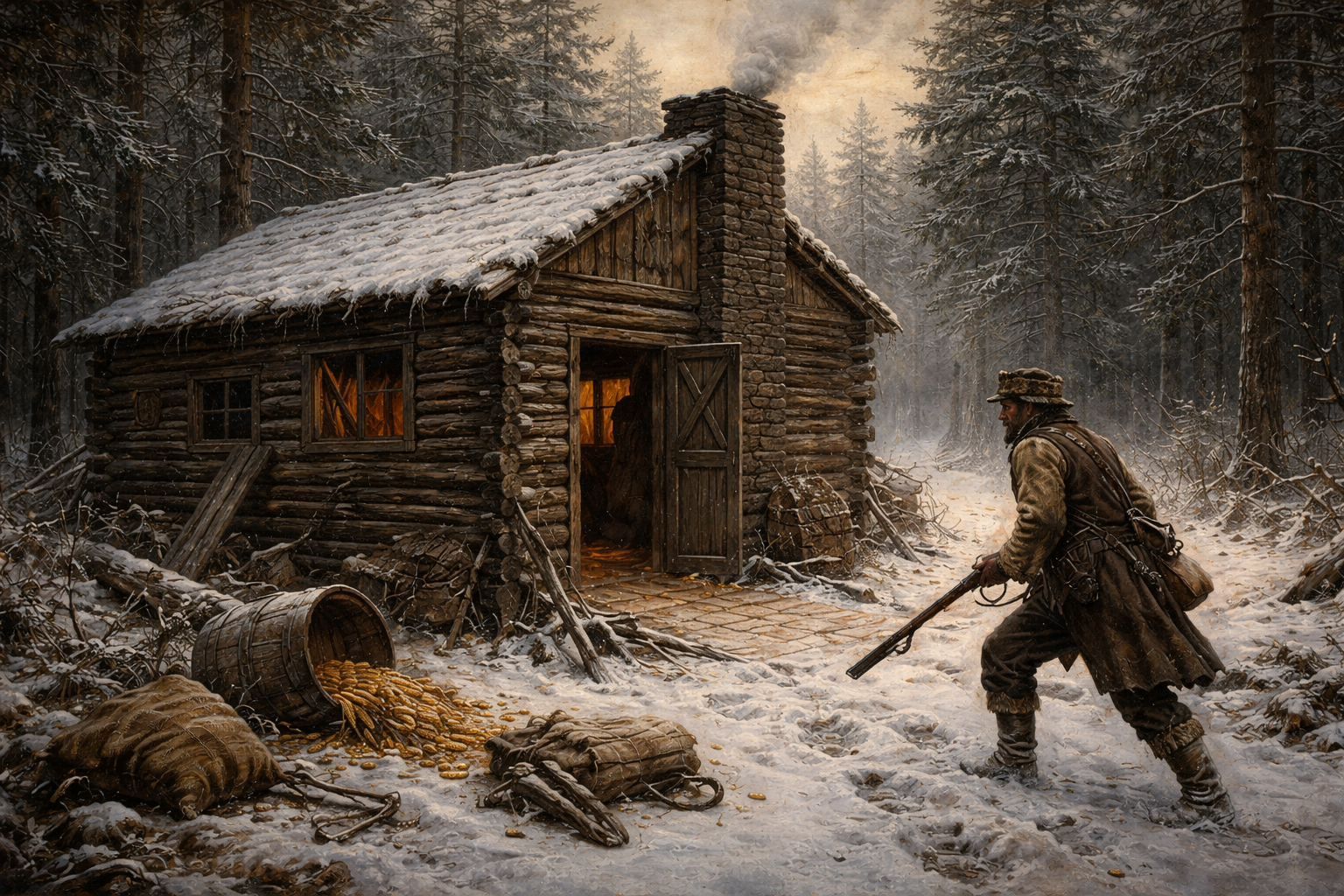
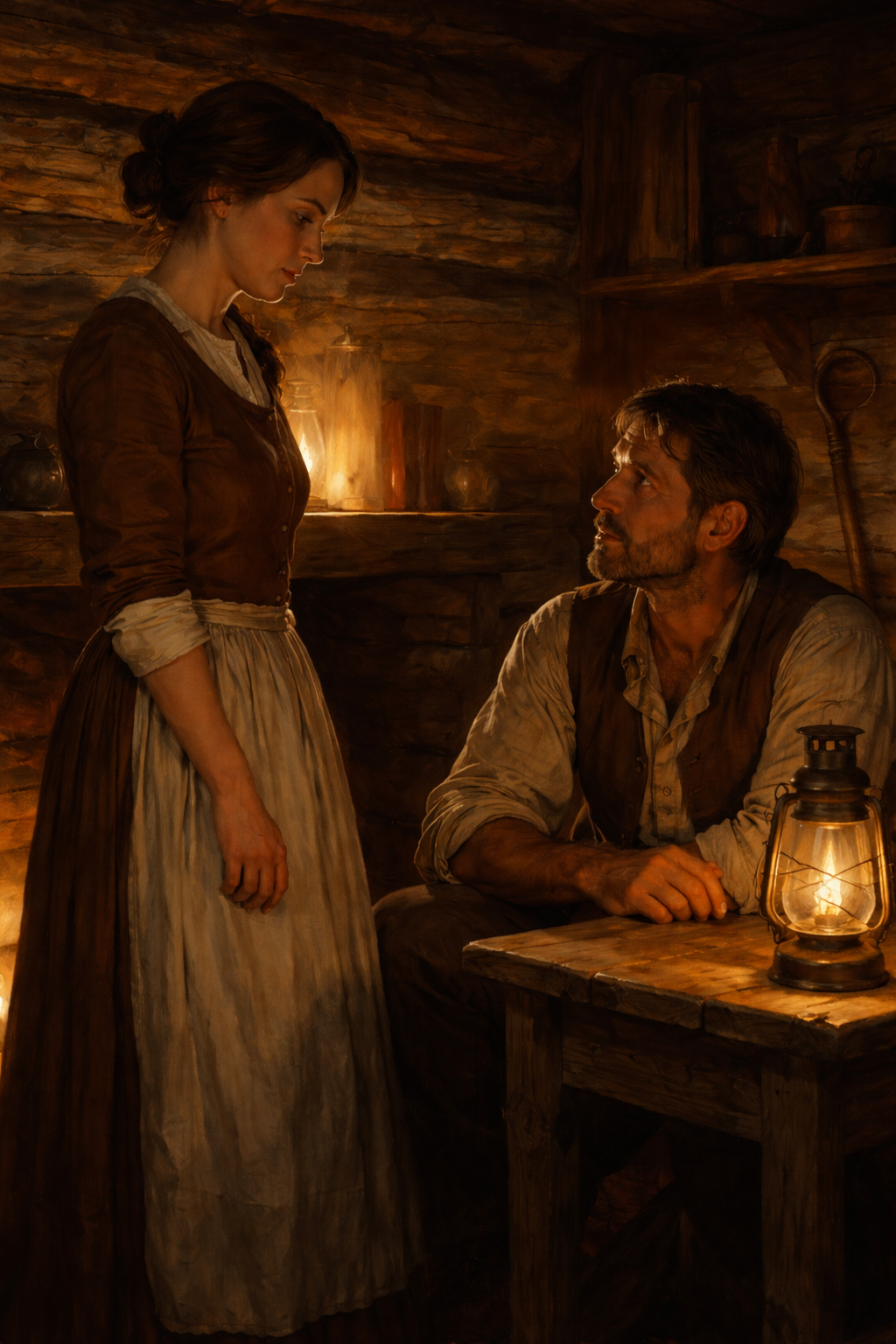
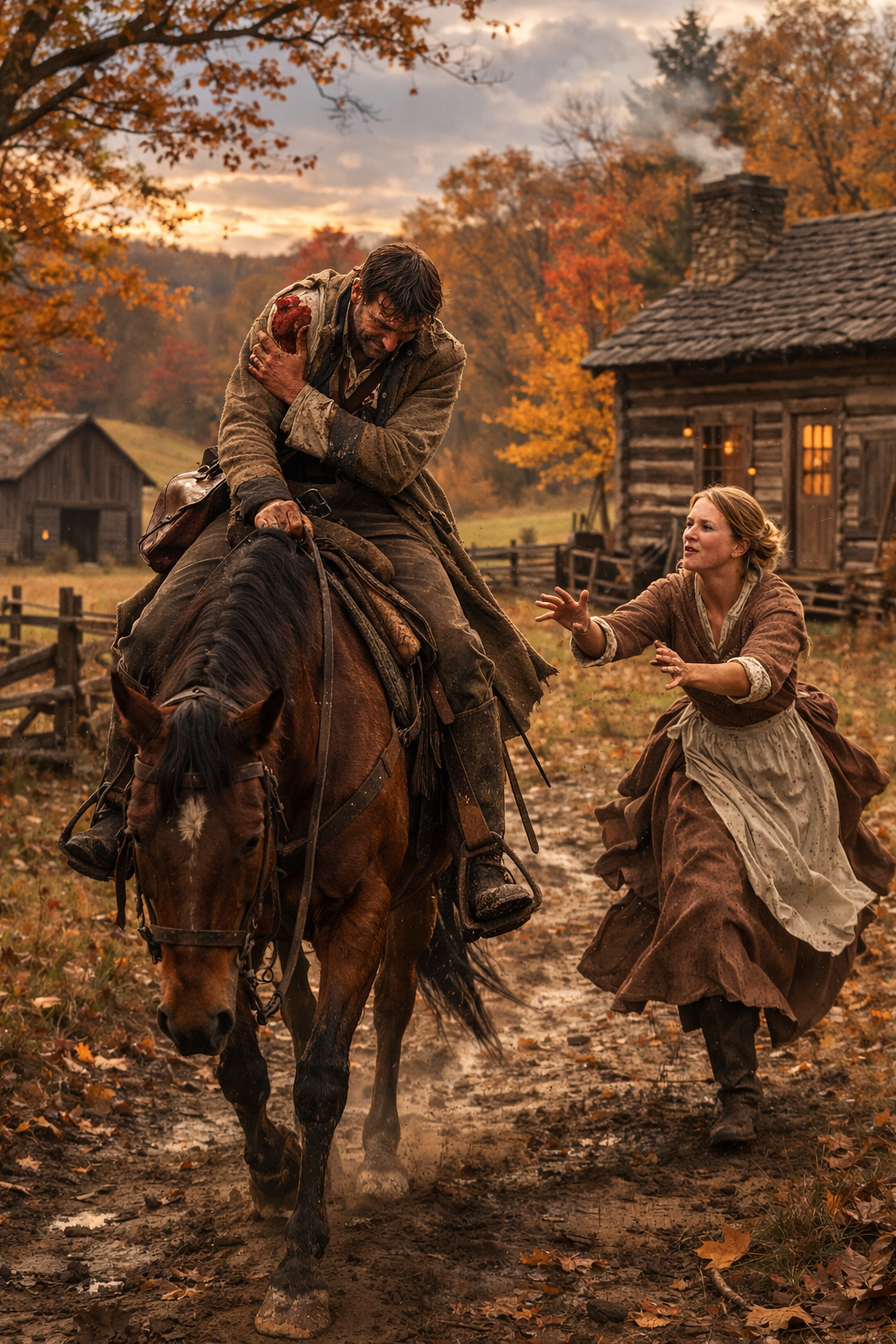
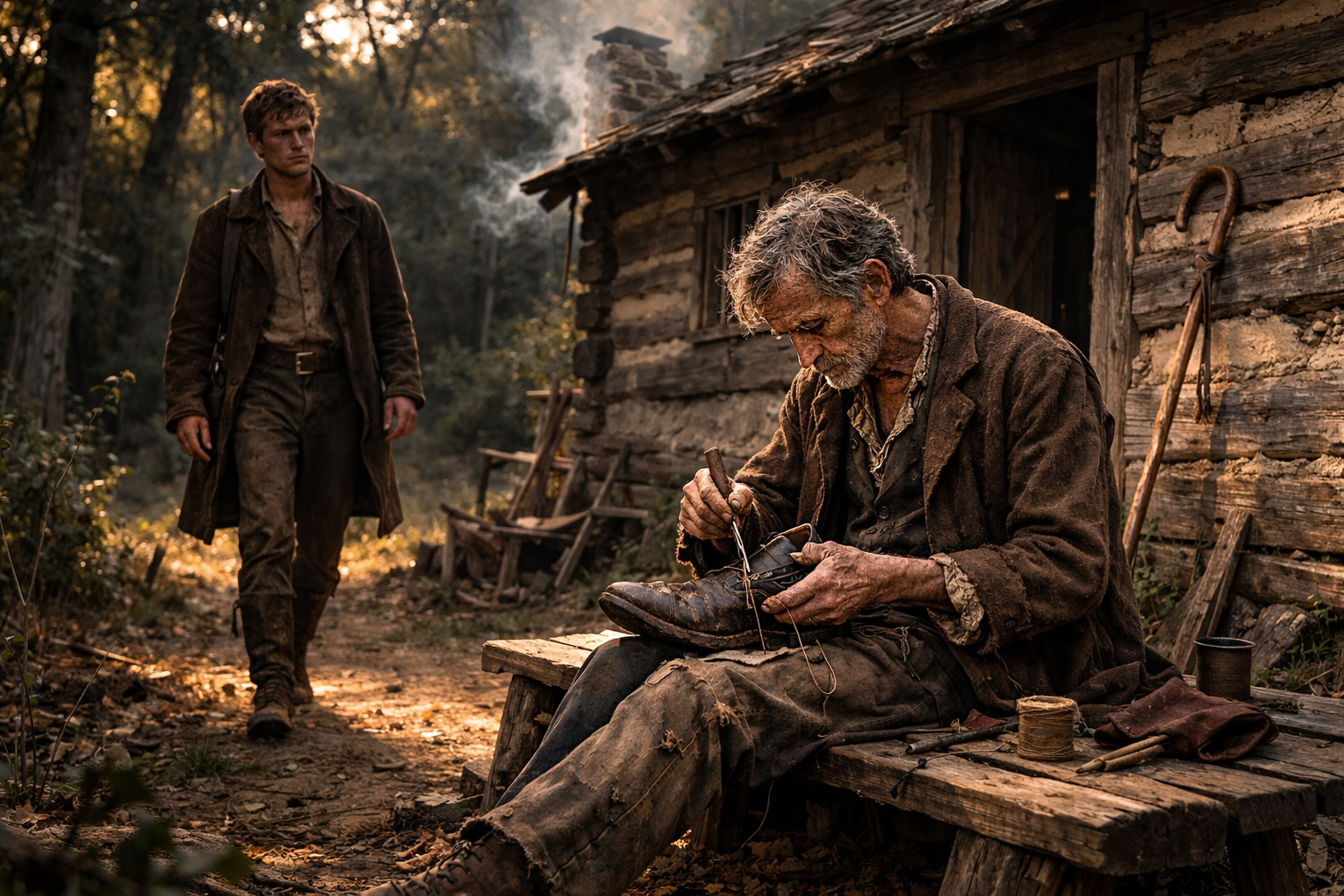
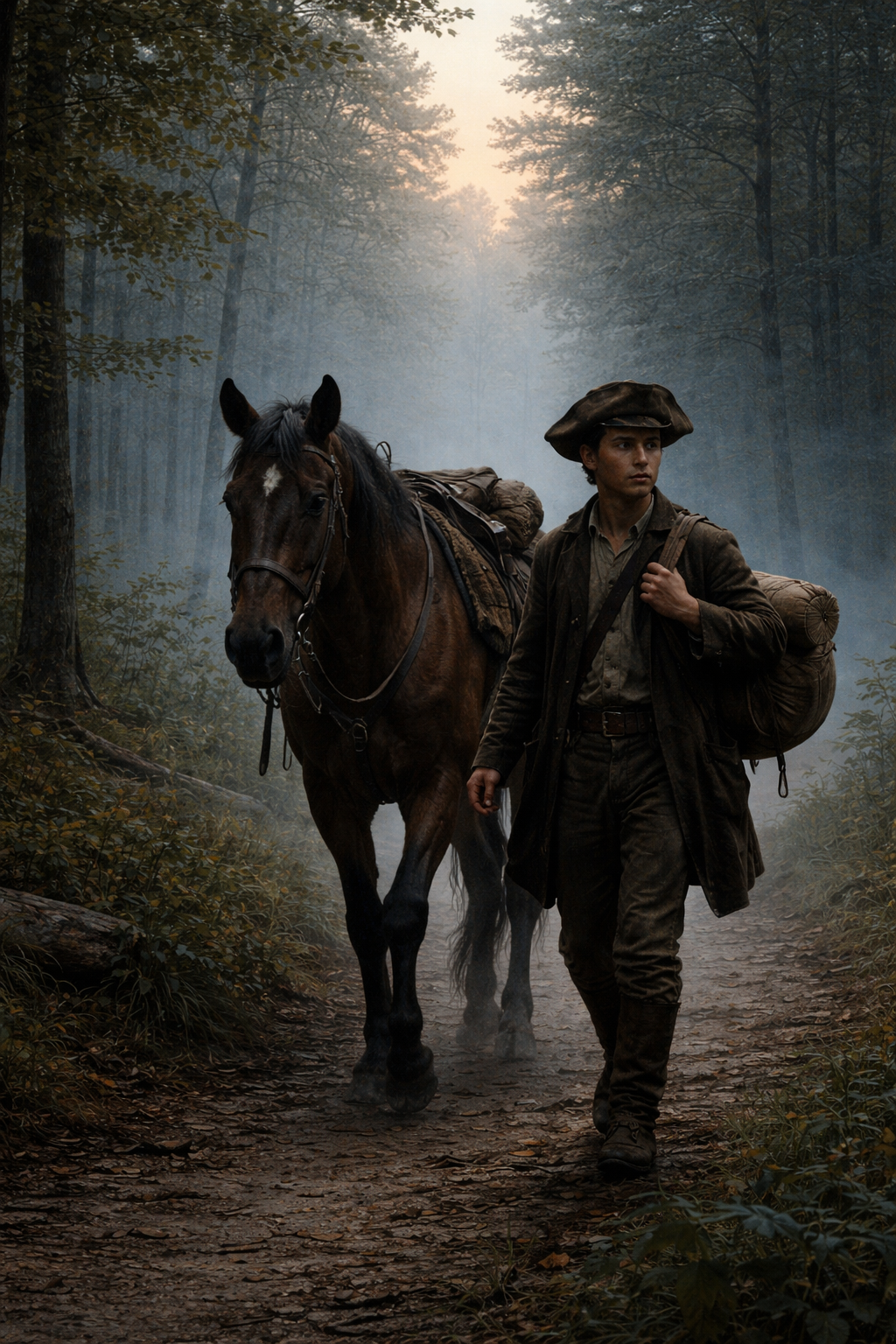
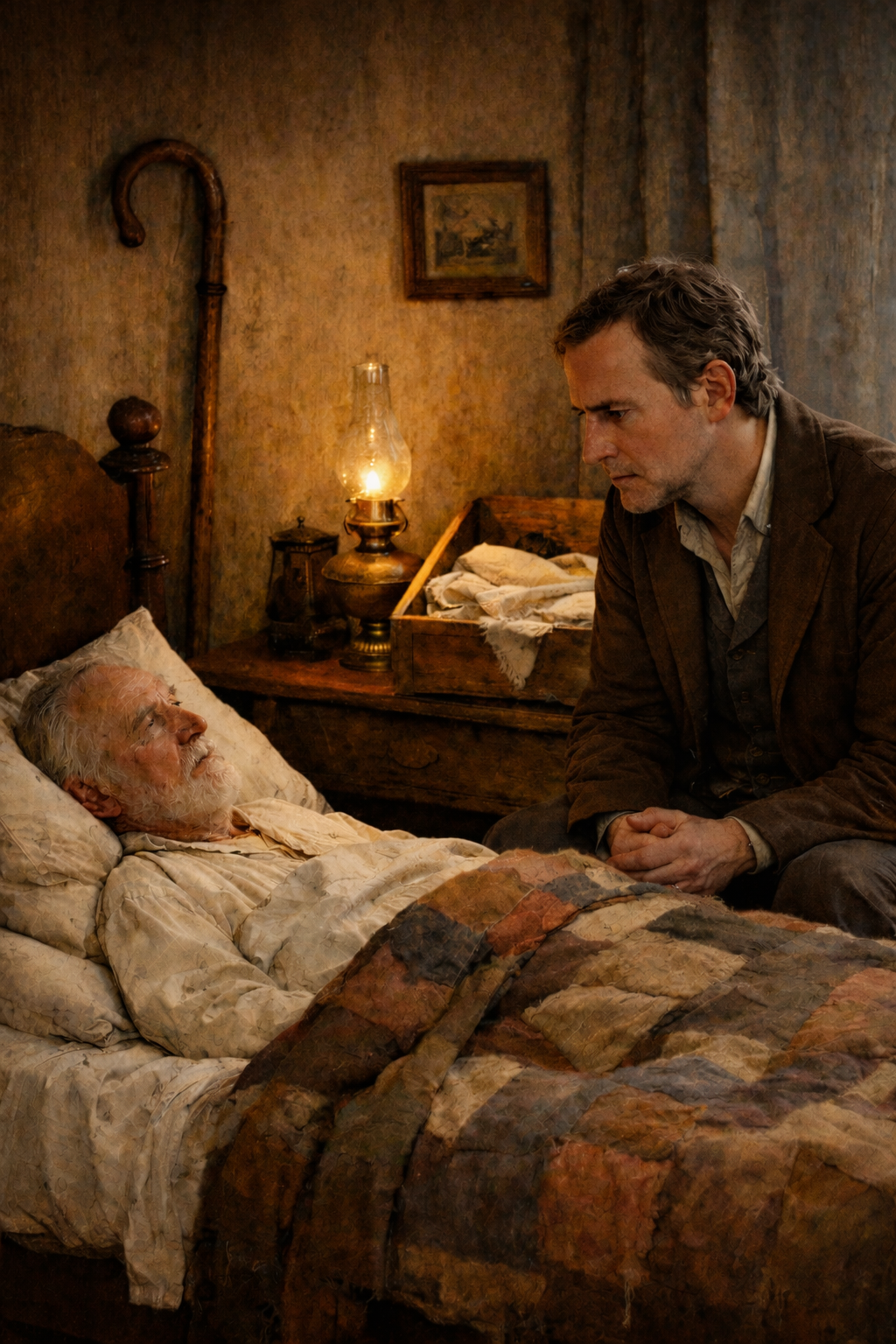
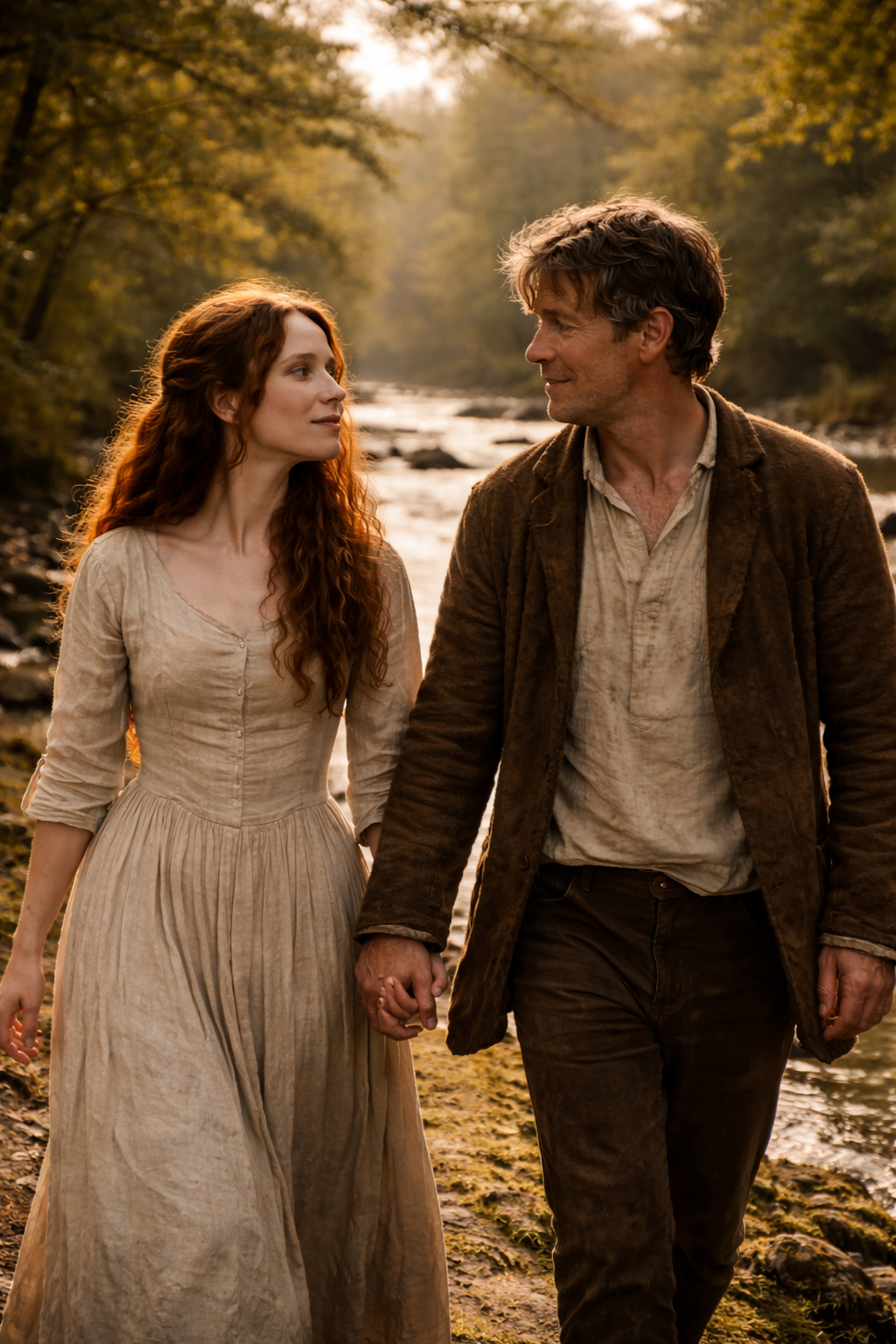
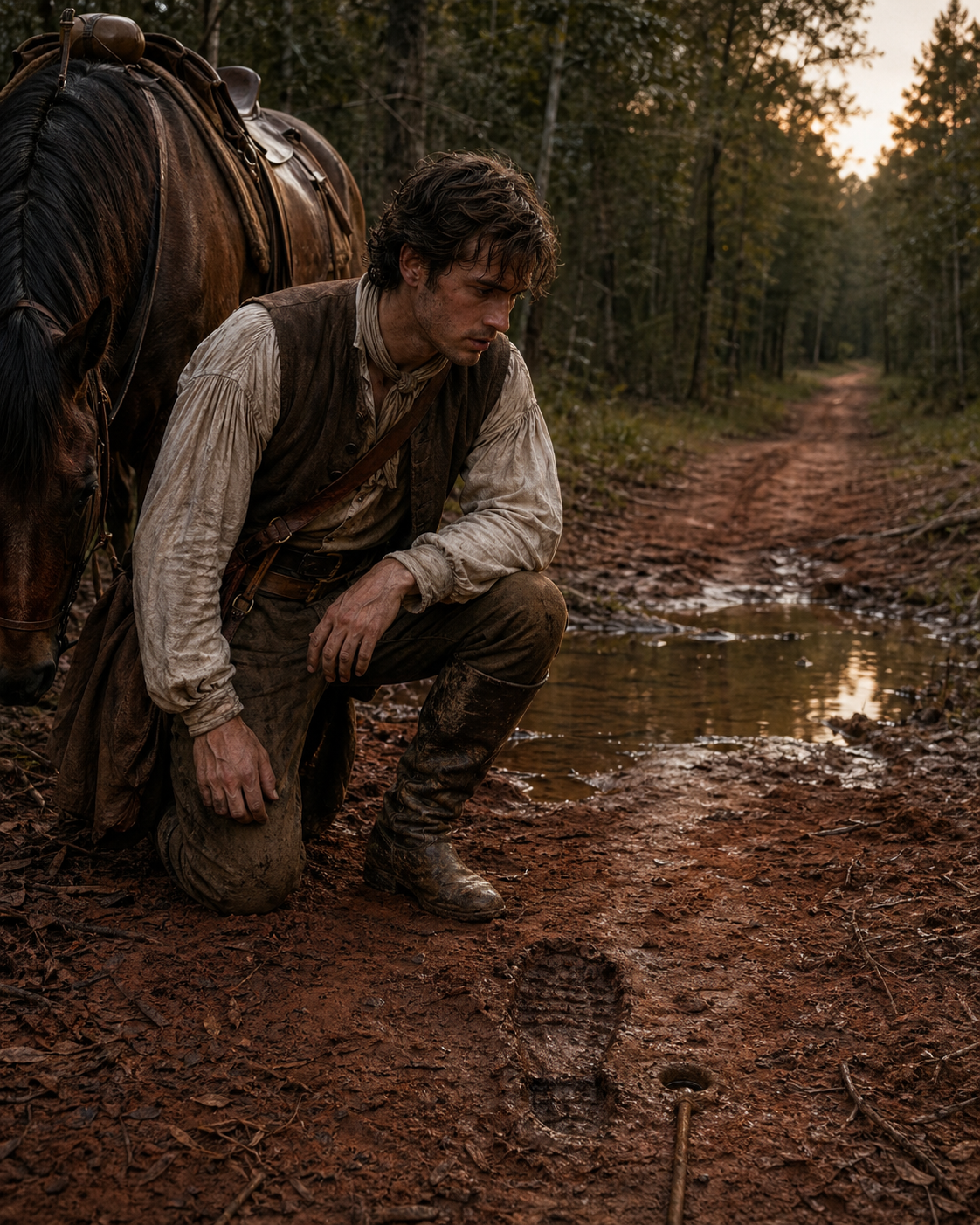
Scene OneThe Muster at StauntonThe French and Indian War begins here in public assembly: horses, enlistments, papers, officers, and young men gathered at Staunton as the valley is drawn into a larger conflict.Scene TwoJohn Looks into the GreenbrierJohn Beard visits the Greenbrier — Renick’s Valley — and considers whether this wide country might become the place where he will finally settle and begin a different life.Scene ThreeRaising Beard’s MillLabor takes visible form at the water. Timber, stone, sweat, and shared effort begin turning a stream into livelihood, inheritance, and the center of a people’s ground.Scene FourFraming the WorkCloser in, the making of a future is all strain and balance: hands under weight, ropes taut, and every beam depending on the steadiness of the others.Scene FiveExhaustion after Eutaw SpringsJohn Beard after the Battle of Eutaw Springs — spent, bloodied, and emptied by the fighting. War here is not triumph but physical ruin, smoke, fatigue, and the stunned endurance of survival.Scene SixLife Gathered at the MillWhat begins as construction becomes community. At the mill, water turns the wheel, but it also draws wagons, trade, talk, children, and the ordinary life that gives all the labor meaning.Scene SevenJonas Takes Up the MillAfter John Beard dies, Jonas takes over the mill. The inheritance is not only property, but burden: the work, the name, and the duty of holding together what his father built.Scene EightJohn Returns to a Broken CabinJohn Beard approaches his cabin in the Greenbrier to find it broken into, his goods stolen by Indians. The image holds the shock of seeing home violated in the wilderness he had hoped to make his own.Scene NineHome Instead of the RoadJohn and Jennett by the fire in their Greenbrier cabin, after John decides to stay rather than go on with the travelers. It is the novel’s clearest turning from road toward home.Scene TenThe Wounded ReturnA man can make it home and still not come back whole. The road delivers him to those who love him, but pain, memory, and what the body has endured arrive with him.Scene ElevenJohn Finds Edwin in GeorgiaAt the end of his long search, John Beard finds Edwin Beard alone in his cabin in Georgia, mending a boot. They have not seen each other in twenty years. The scene is reunion, recognition, and the end of pursuit.Scene TwelveJohn Runs Toward the RoadJohn runs away from the Thomas and Jean farm, leaving home to find his life on the road. Youth, restlessness, and self-making all gather in this first act of departure.Scene ThirteenThomas at the EndJohn sits with Thomas on his deathbed and they settle their differences. To give the old man peace, John lies about Edwin — an act of mercy that closes one wound while leaving another unhealed.Scene FourteenJohn and JennettAgainst all the movement and loss, the novel also makes room for tenderness. John and Jennett are imagined here in one of the rare moments when the future feels less like pursuit than companionship.Scene FifteenTracking Edwin through GeorgiaJohn tracks Edwin through Georgia, reading sign in mud and road water as he presses on with his search. The trail is physical, but also inward — each mark bringing him closer to the truth he has come so far to find.